
MEP coordination is where a renovation either runs smoothly or blows the schedule. Done right, it catches conflicts in a BIM model instead of in the field — and 3D laser scanning is what makes it possible on existing buildings.
What Is MEP Coordination?
MEP coordination is the process of resolving spatial conflicts between mechanical, electrical, plumbing (and often fire protection) systems before construction begins. Every duct, pipe, conduit and tray competes for the same tight space above ceilings and inside chases. Coordination uses a shared 3D model — usually in Navisworks or Revit — to identify, prioritise and resolve those conflicts on screen, not on site. For a refresher on what MEP covers, see our short guide: What is MEP in construction?
Why MEP Coordination Matters
- Avoids costly rework — fixing a clash in the model costs minutes; fixing it on site costs days and dollars.
- Protects the schedule — most MEP-driven delays come from unresolved clashes discovered too late.
- Aligns trades — everyone works from the same coordinated model.
- Improves safety — fewer field changes mean fewer hot-fix decisions in cramped spaces.
The MEP Coordination Process
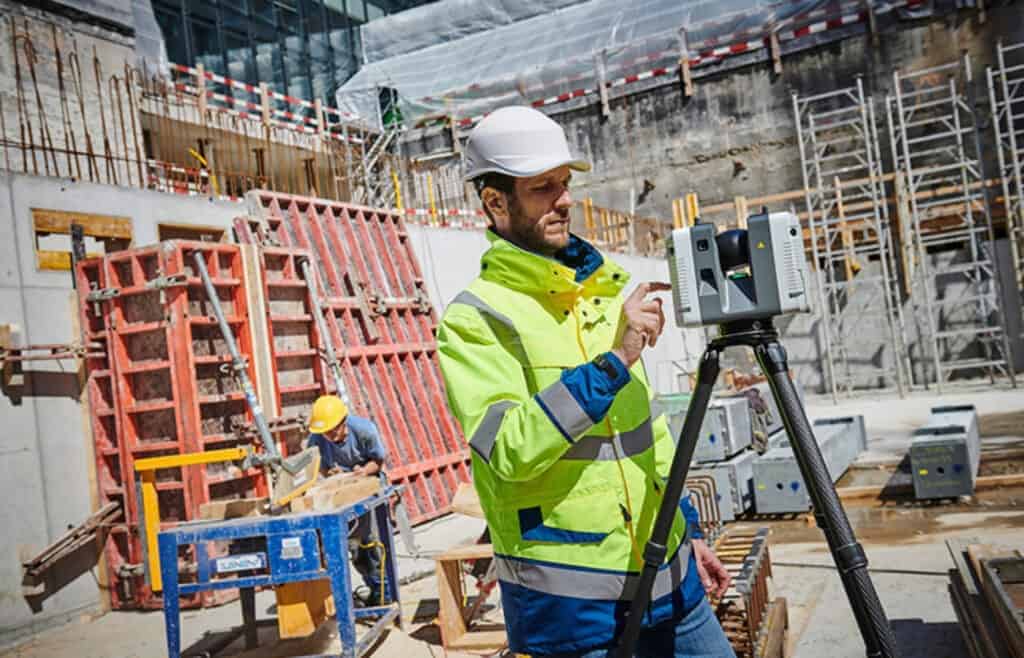
- Capture reality. On renovations, the existing MEP is scanned with a 3D laser scanner; on new builds, the structural model is the starting point.
- Model the new systems in a coordinated BIM model.
- Run clash detection in Navisworks or Revit to identify conflicts.
- Resolve clashes in coordination meetings, prioritising by severity and trade.
- Issue coordinated drawings back to the trades for installation.
How Laser Scanning Strengthens MEP Coordination
On renovations and retrofits, you can only coordinate around what you can see accurately. A laser scan of the existing space captures every duct, pipe, beam and obstruction as a measured point cloud — the new scan-to-BIM model is built from that data. The result is coordination that reflects the real building, not an outdated set of as-designed drawings, and there’s a much lower chance of “field hits” during install.
Common Deliverables
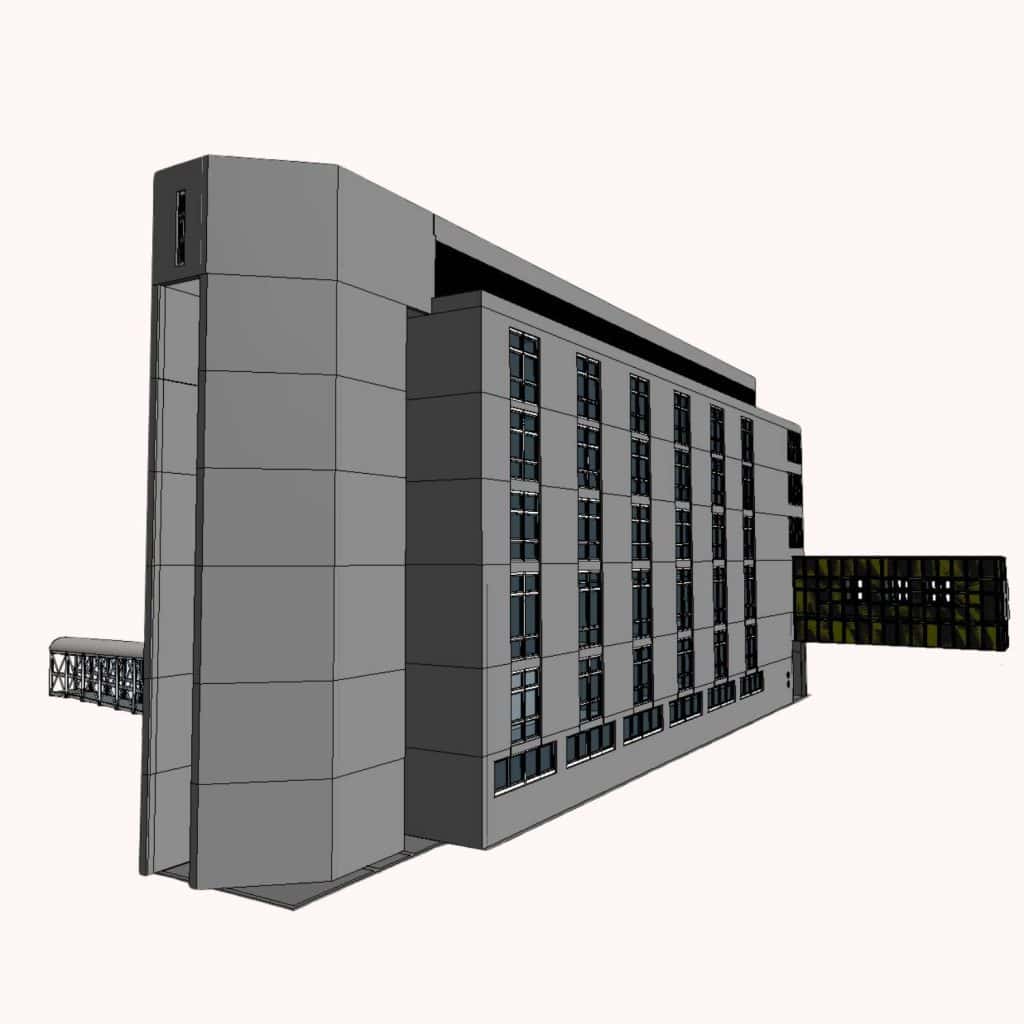
- A coordinated 3D BIM model with all MEP trades.
- A clash report categorising remaining conflicts.
- 2D coordination drawings — plans and sections — for site use.
- The original registered point cloud for ongoing reference.
Coordinate MEP from Reality
simpleSCAN 3D captures existing MEP accurately and delivers coordinated BIM models that prevent clashes before they reach site.
Frequently Asked Questions
What is MEP coordination?
The process of resolving spatial conflicts between mechanical, electrical, plumbing and fire-protection systems in a shared 3D model before construction, so the work doesn’t clash on site.
Why is MEP coordination important?
Because uncoordinated MEP causes most renovation delays and rework. Catching clashes in the model is dramatically cheaper than fixing them in the field.
How does 3D laser scanning help with MEP coordination?
On existing buildings the scan captures all the current MEP accurately as a point cloud, so the coordination model reflects reality and the new design fits the building that’s actually there.
What software is used for MEP coordination?
Most teams coordinate in Navisworks (with models authored in Revit), running clash detection across federated discipline models.