
Before you redesign, expand or coordinate anything, you need to know what’s really there. An existing conditions survey is that reliable starting point.
What Is an Existing Conditions Survey?
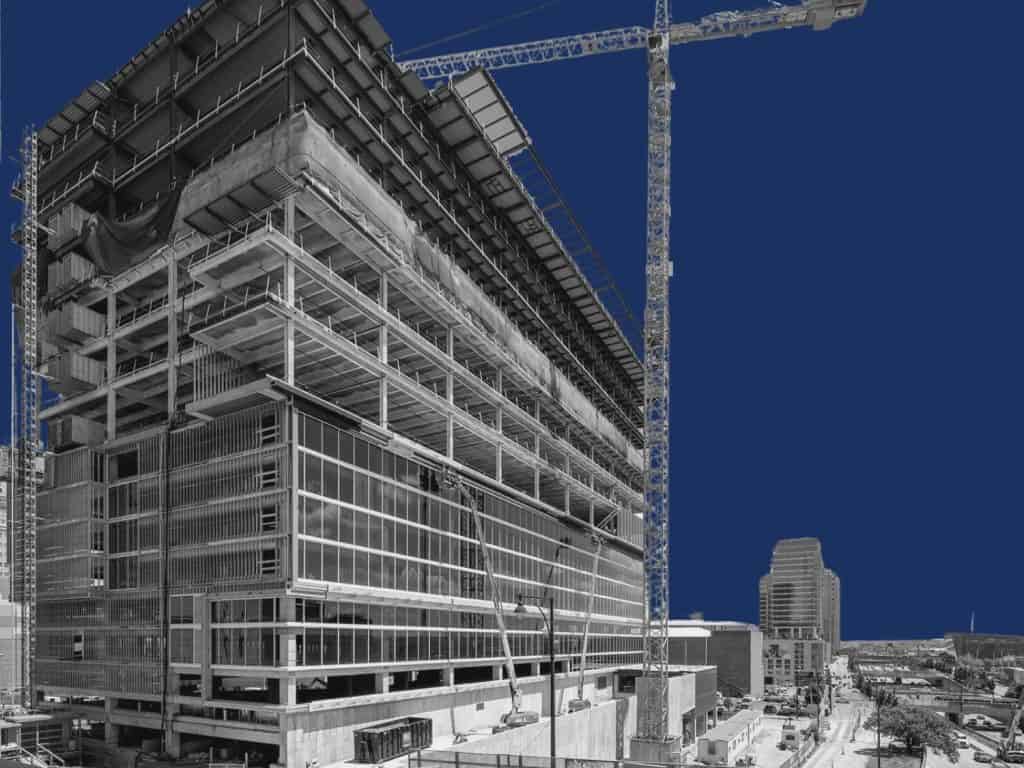
An existing conditions survey is a thorough record of a building or site in its current state — its geometry, structure, and often its MEP systems and finishes. It’s closely related to an as-built survey, and the terms are often used interchangeably; both capture reality as it exists today.
What It Includes
- Accurate floor plans, elevations and sections.
- Structural elements and, where in scope, MEP systems.
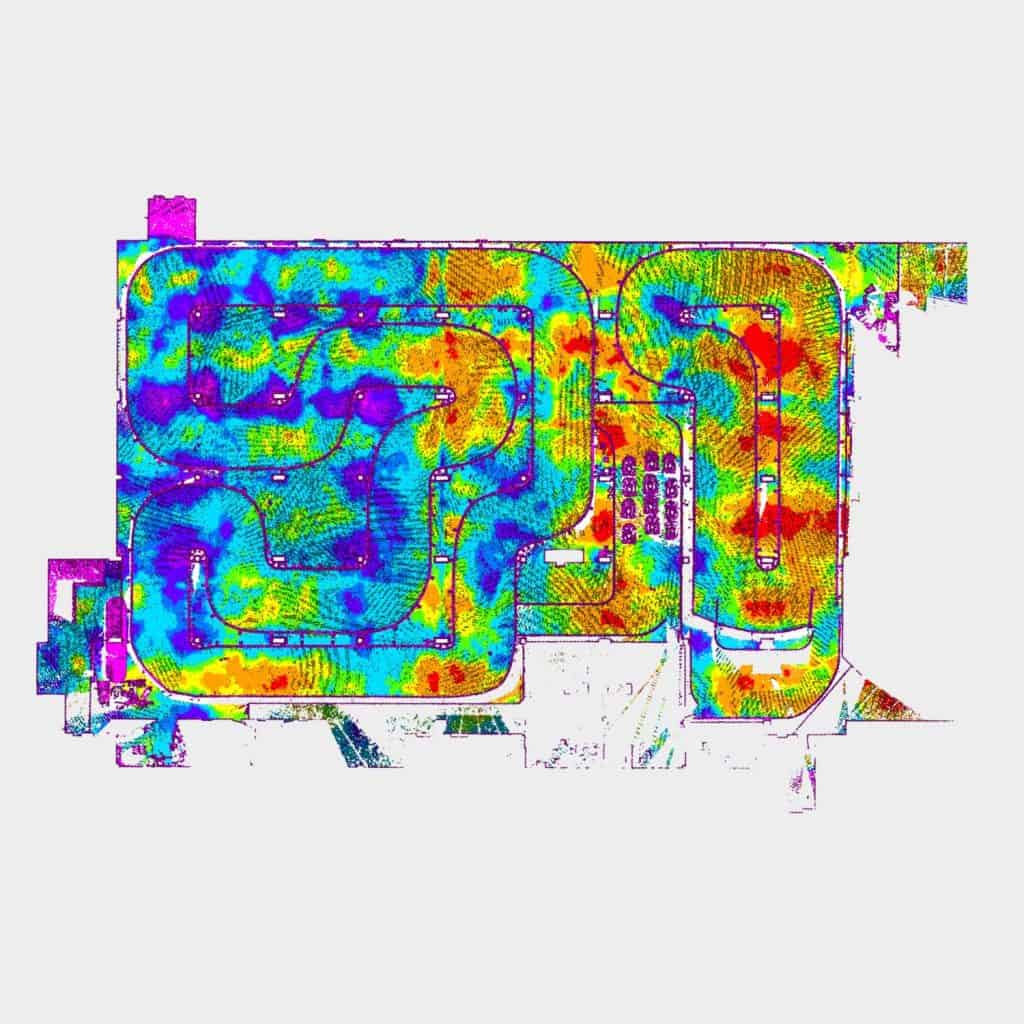
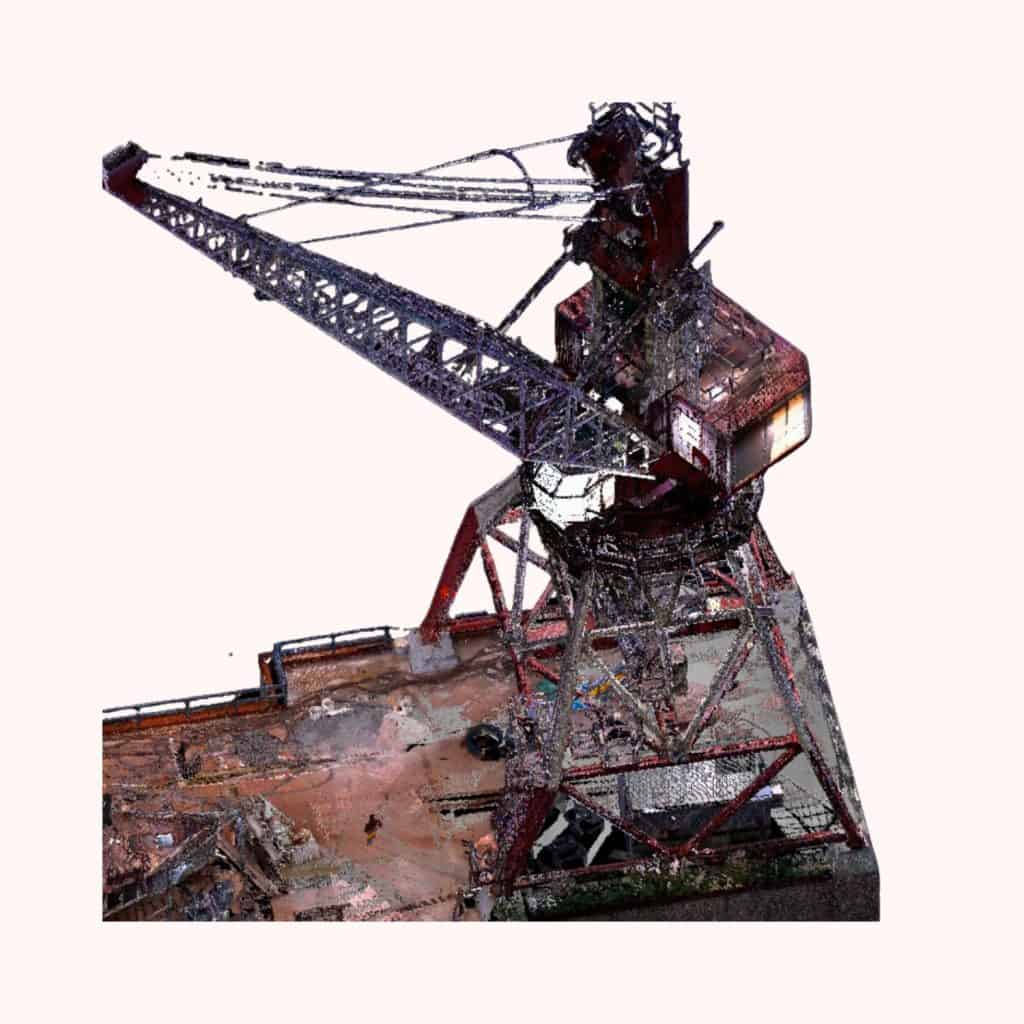
- The registered point cloud as a permanent record.
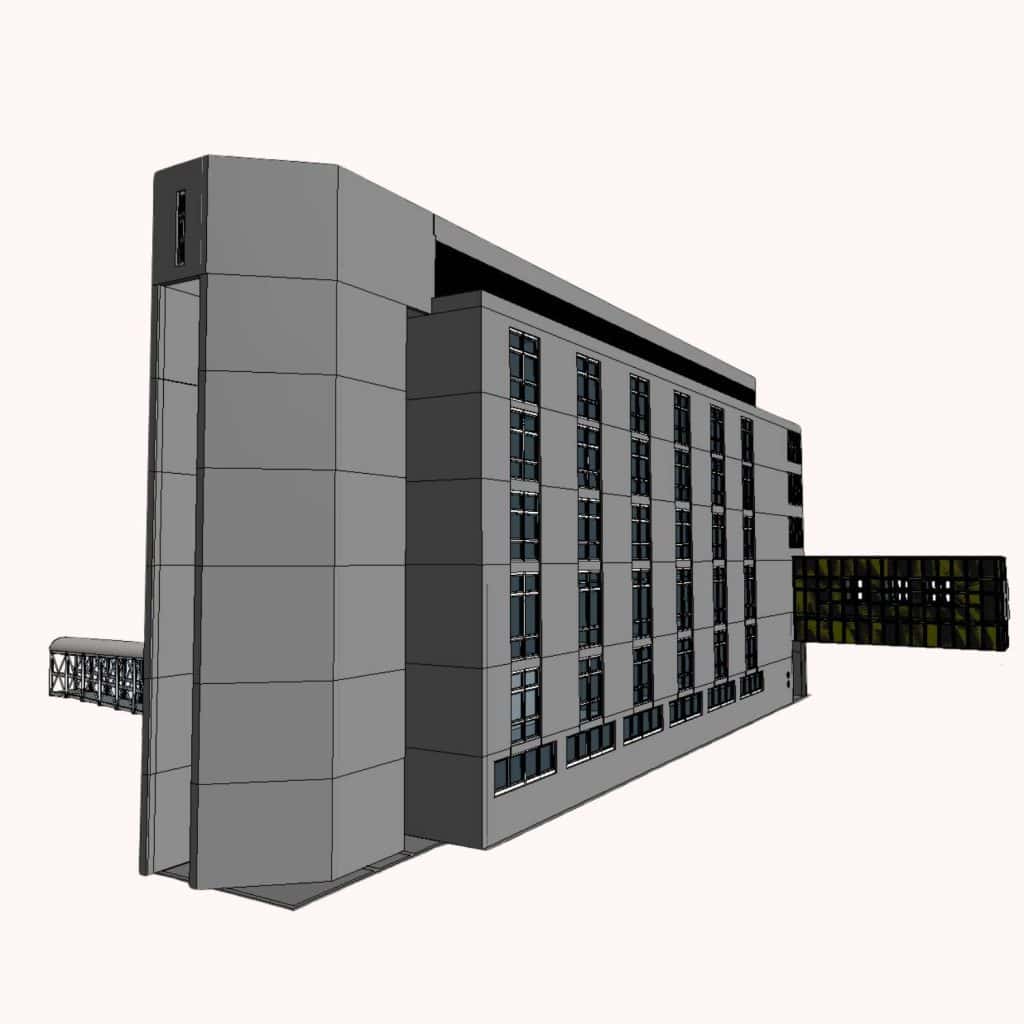
- A BIM model when required.
Why It Matters
Outdated or missing drawings are one of the biggest sources of risk and rework on renovation projects. An existing conditions survey removes the guesswork — every later decision is based on measured reality rather than assumptions.
How It’s Done
Modern surveys use 3D laser scanning: the scanner captures the whole site in a single visit as a millimetre-accurate point cloud, which becomes the basis for your as-built drawings and models.
Document Your Building Accurately
simpleSCAN 3D delivers complete existing conditions surveys — drawings, BIM and point clouds — from a single scan visit.
Frequently Asked Questions
What is an existing conditions survey?
A detailed record of a building or site as it currently exists — its geometry, structure and often MEP — used as the accurate base for design and coordination.
Is an existing conditions survey the same as an as-built survey?
The terms are largely interchangeable; both document the building as it stands today. ‘As-built’ is more common in construction, ‘existing conditions’ in architecture.
Why do I need an existing conditions survey?
Because existing drawings are often missing or wrong. A survey gives you measured reality, preventing costly surprises during renovation or fit-out.
How is it carried out?
Usually with 3D laser scanning, which captures the entire site as a precise point cloud in one visit.