Scan to BIM: Process, Benefits & Cost Explained

Scan to BIM is the fastest, most accurate way to turn an existing building into a working Revit model. You scan reality once, then design, coordinate and manage the building from data you can trust.

GET A QUOTE NOW

Average response time is 1 hour.

What Is Scan to BIM?

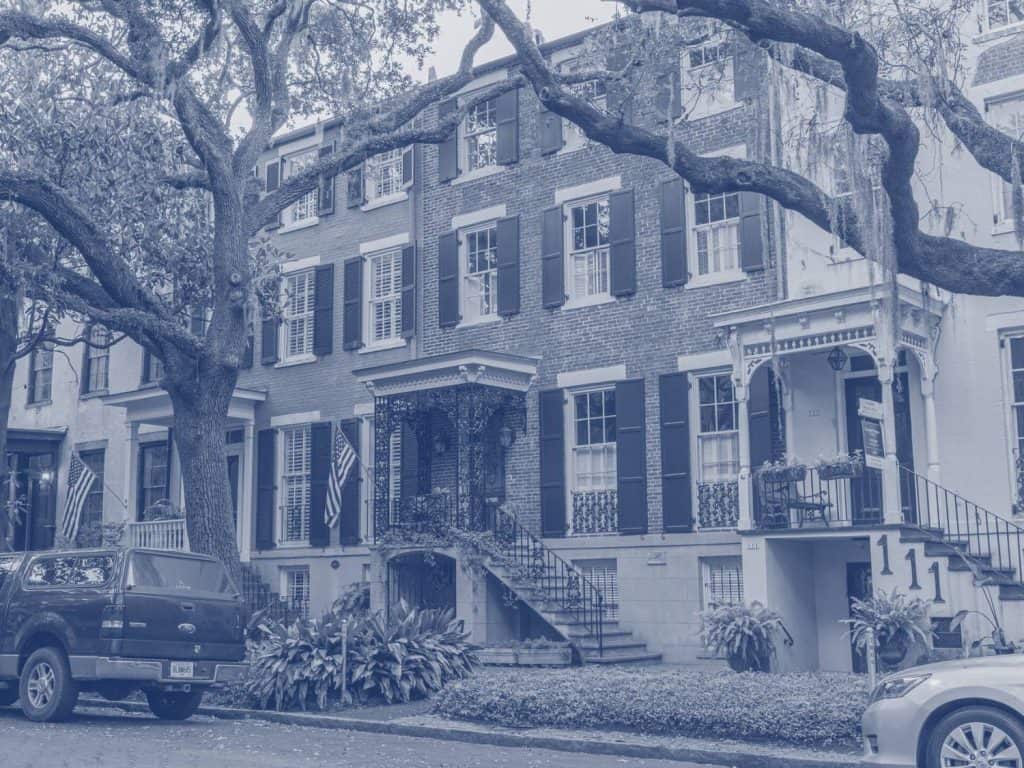
Renovation, retrofit and facility projects all start with the same problem: the drawings are missing, out of date, or simply wrong. Scan to BIM solves it by capturing the building exactly as it stands today. At simpleSCAN 3D we run scan to BIM projects nationwide — this guide walks through what it is, how the process works, the deliverables and LOD levels you can expect, and the factors that drive the cost.

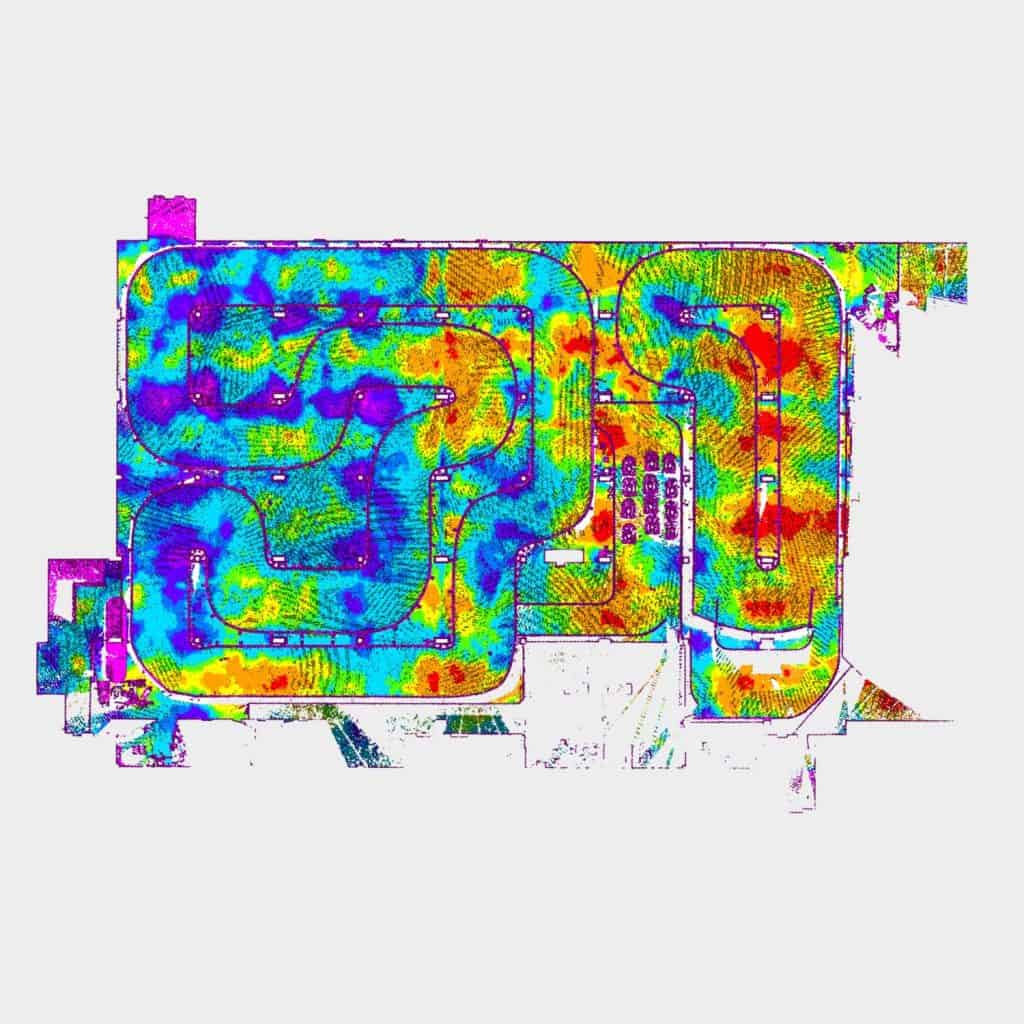
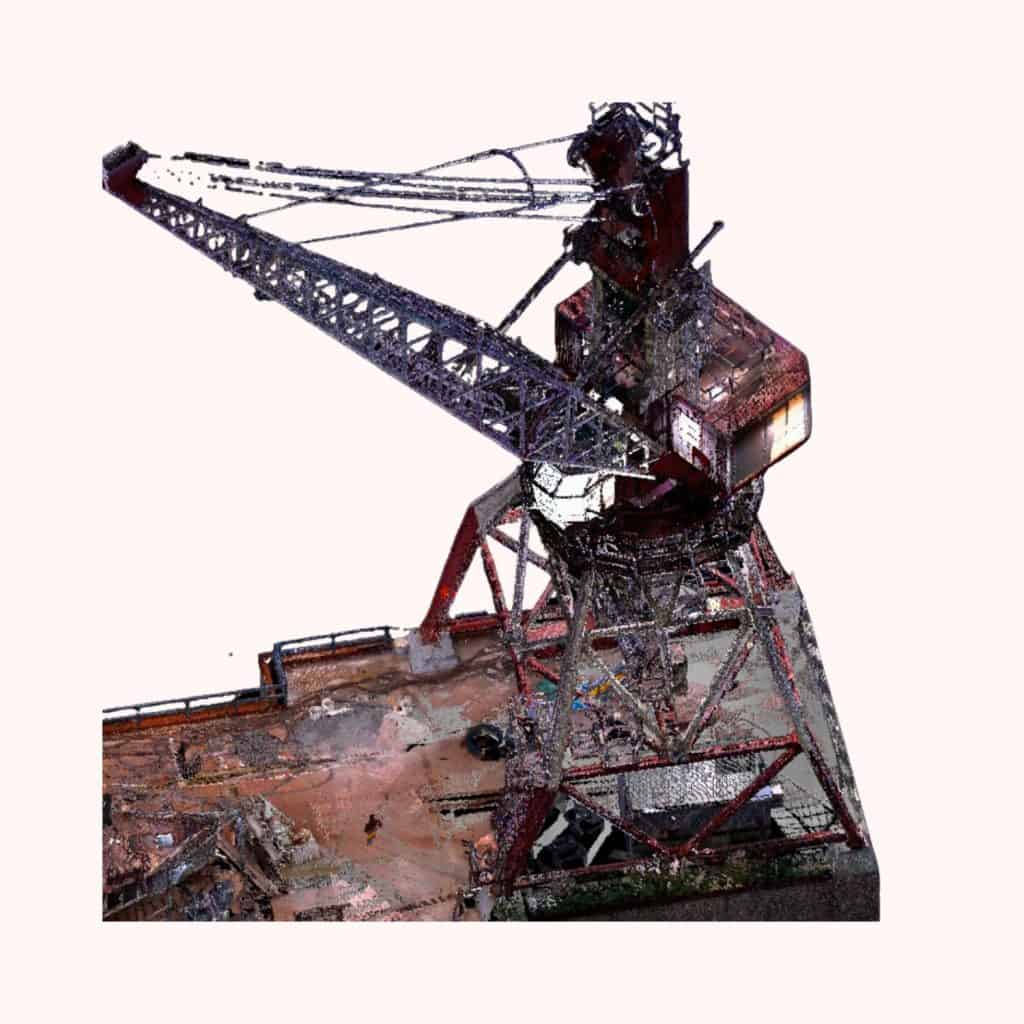
Scan to BIM is the process of capturing an existing building or site with a 3D laser scanner, producing a point cloud, and using that point cloud as the reference to build an intelligent BIM model. Unlike a flat drawing, a BIM model is object-based: every wall, door, beam and duct is a real element carrying dimensions and data — so the model is measurable, coordinated and reusable across the whole building lifecycle.

The Scan to BIM Process, Step by Step

3D Laser Scan

Capture the site

Point Cloud

Millions of XYZ points

Registration

Align & clean scans

BIM Model

Revit / CAD deliverable

  1. 3D laser scan the site. A technician sets the scanner at multiple positions and captures the space — up to two million points per second on a scanner like the Leica RTC360. Nothing in the line of sight is missed.
  2. Register the scans. The individual setups are aligned into one unified, coherent point cloud with consistent survey control.
  3. Clean and optimise. Passers-by, vehicles and noise are removed; colour and intensity are tuned so the cloud is clean and easy to model from.
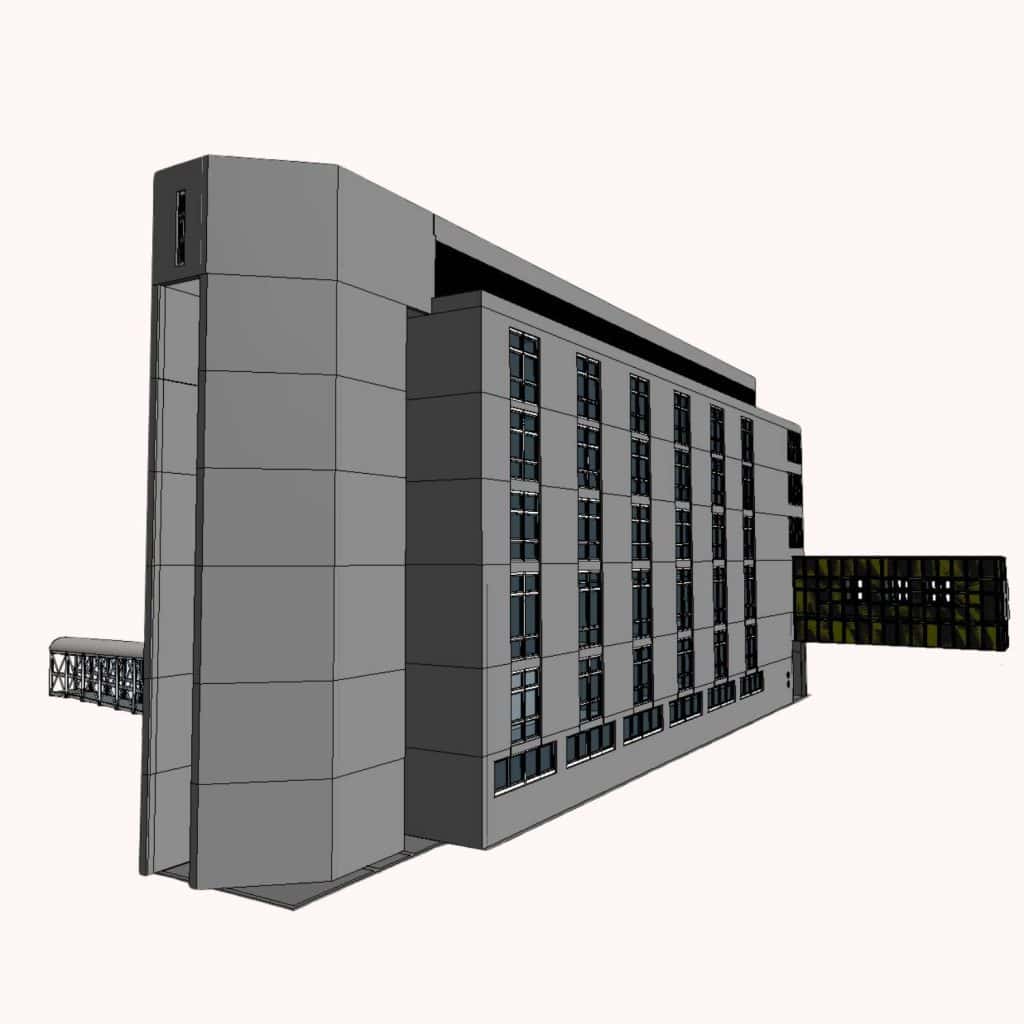
  4. Model in BIM. Modellers trace the point cloud in Revit, ARCHICAD or AutoCAD, building accurate architectural, structural and MEP elements to the agreed level of development (LOD).
  5. QA and deliver. The model is checked against the point cloud for accuracy, then delivered in your formats — RVT, IFC, DWG and the point cloud itself.

Ready to Reduce Costly Construction? Get in Touch for a Quick Quote and Start your Project Today.

Understanding LOD (Level of Development)

LOD defines how detailed and reliable each element in the model is. Choosing the right LOD is the single biggest lever on both usefulness and cost:

LODWhat it includesBest for
LOD 200Approximate geometry, mass and basic elements.Early design, space planning, feasibility.
LOD 300Accurate architectural & structural elements with real dimensions.Most as-built documentation and design work.
LOD 350Adds connections and interfaces between systems.Multi-trade coordination.
LOD 400Detailed, fabrication-ready elements with full MEP.Clash detection, fabrication, complex retrofits.

What Engineers say about us ?

Benefits of Scan to BIM

Millimetre accuracy

model from measured reality, not assumptions, and cut measurement errors and guesswork

Fewer site visits

the point cloud is a permanent record; re-measure from your desk instead of driving back

Early clash detection

atch conflicts between structure and MEP before they become expensive on-site rework

Faster capture

millions of points in minutes shortens project timelines

One source of truth

every discipline works from the same coordinated model

Lifecycle value

he model supports renovation, facility management and a future digital twin

Scan to BIM Services​ Frequently Asked Questions

Capturing an existing building with a 3D laser scanner, producing a point cloud, and using it to build an accurate, data-rich BIM model in Revit or ARCHICAD.

There’s no single price — scan to BIM is quoted per project. The main factors are:

  • Building size & scope — more floors, area and complexity means more scanning and modelling time.
  • Level of detail (LOD) — LOD 200 is the most affordable; LOD 400 with full MEP is the most involved.
  • Greyscale vs colour scanning — colourised scanning can take roughly three times as long on site.
  • Structural & MEP complexity — an open warehouse models far faster than a dense, services-heavy facility.
  • Site access — remote or hard-to-reach sites can add equipment or travel costs.
  • Deliverables & templates — raw point cloud is cheapest; full BIM plus 2D drawings to your template costs more.

The most reliable way to get a number is a quick scope call. Tell us about your site and we’ll quote it.

The point cloud is the raw measured data (millions of XYZ points). The BIM model is the intelligent, object-based model — walls, doors, ducts — built from that data.

LOD 200 for early design, LOD 300 for most documentation, LOD 350–400 for detailed coordination and fabrication. Higher LOD means more time and cost.

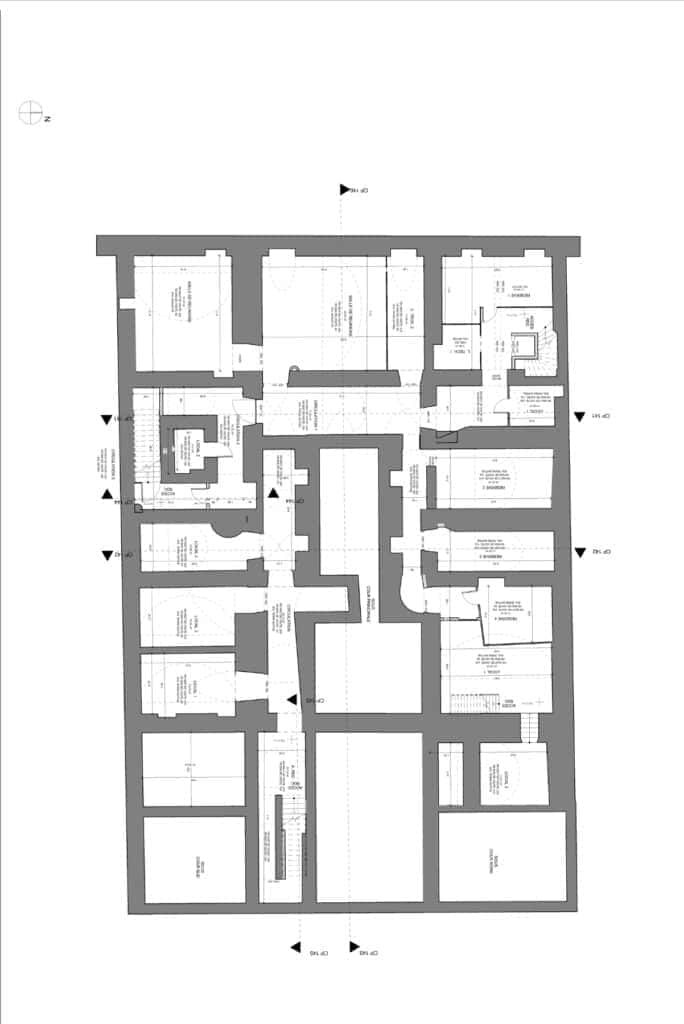
The registered point cloud (E57, RCP), the BIM model (RVT, IFC, PLN) and 2D as-built drawings (DWG, PDF), depending on your workflow.

Traditional measurementScan to BIM
Selected points measured by hand — detail gets missed.Captures everything in the scanner’s line of sight at once.
Return visits whenever a dimension is missing.The point cloud is permanent — re-measure any time from the data.
Higher risk of human error.Millimetre accuracy, verifiable against the cloud.
2D output only.Coordinated 3D BIM the whole team can build on.